UX leadership across brand strategy, brand identity, microsite UX and content strategy, and a Progressive Web App empathy game built around behavioral design and gamification principles.
A nonprofit, a workplace, and a game that lets you feel what neurodivergent employees feel.
WeMake is a 501(c)(3) nonprofit creating an innovative model for employing adults with autism. Unlike traditional workplaces that ask autistic employees to adjust to neurotypical environments, WeMake builds workplaces, physical and procedural, around the specific needs and abilities of autistic talent. The first facility opened in Pennington, New Jersey, with employees assembling vinyl fencing and railing components for leading home-improvement retailers.
Atmosphere Proximity led a multi-phase engagement to build the WeMake brand, digital presence, and public-engagement strategy. As Director of User Experience, I led the UX across the full engagement: brand architecture, brand identity, microsite IA and content strategy, and the empathy-game PWA that anchored public engagement. The PWA is the case's most distinctive artifact. The surrounding brand and digital work is the evidence of how the engagement scope ran.
Goals
Outcomes the engagement had to make possible against WeMake's mission of redefining workplaces around autistic employees.- Build a brand and digital presence that lets WeMake's mission carry the weight of fundraising, partnership development, and recruitment simultaneously.
- Convert abstract awareness of autism in the workplace into embodied understanding for non-autistic audiences (donors, employer-partners, the broader public).
- Establish a service-design and content model that could scale as the WeMake workplace concept expanded to additional sites and industries.
- Deliver every public-facing artifact (brand, site, and product) in a single coherent voice.
- Ship the empathy game as a Progressive Web App, with a familiar baseline mechanic that surfaces neurodivergent strengths and challenges rather than testing for them.
Engagement scope
A five-phase engagement plus an extension. Brand at one end. Product at the other. One coherent voice through both.Atmosphere Proximity took the engagement on as a multi-phase build for a 501(c)(3) going from idea to launch. The brief was a brand, a workplace identity, a digital presence, and the artifacts to make all three felt by the audiences WeMake needed (parents, autistic adults, employer-partners, donors, and the broader public). The engagement ran across five phases, with the empathy-game PWA and an animated brand video added as scope extensions.
Discovery and content audit
Stakeholder interviews with WeMake founders. Audit of existing materials. Audience-segment definition: parents of autistic adults, prospective employer-partners, donors, the autistic community itself.
Brand strategy & architecture
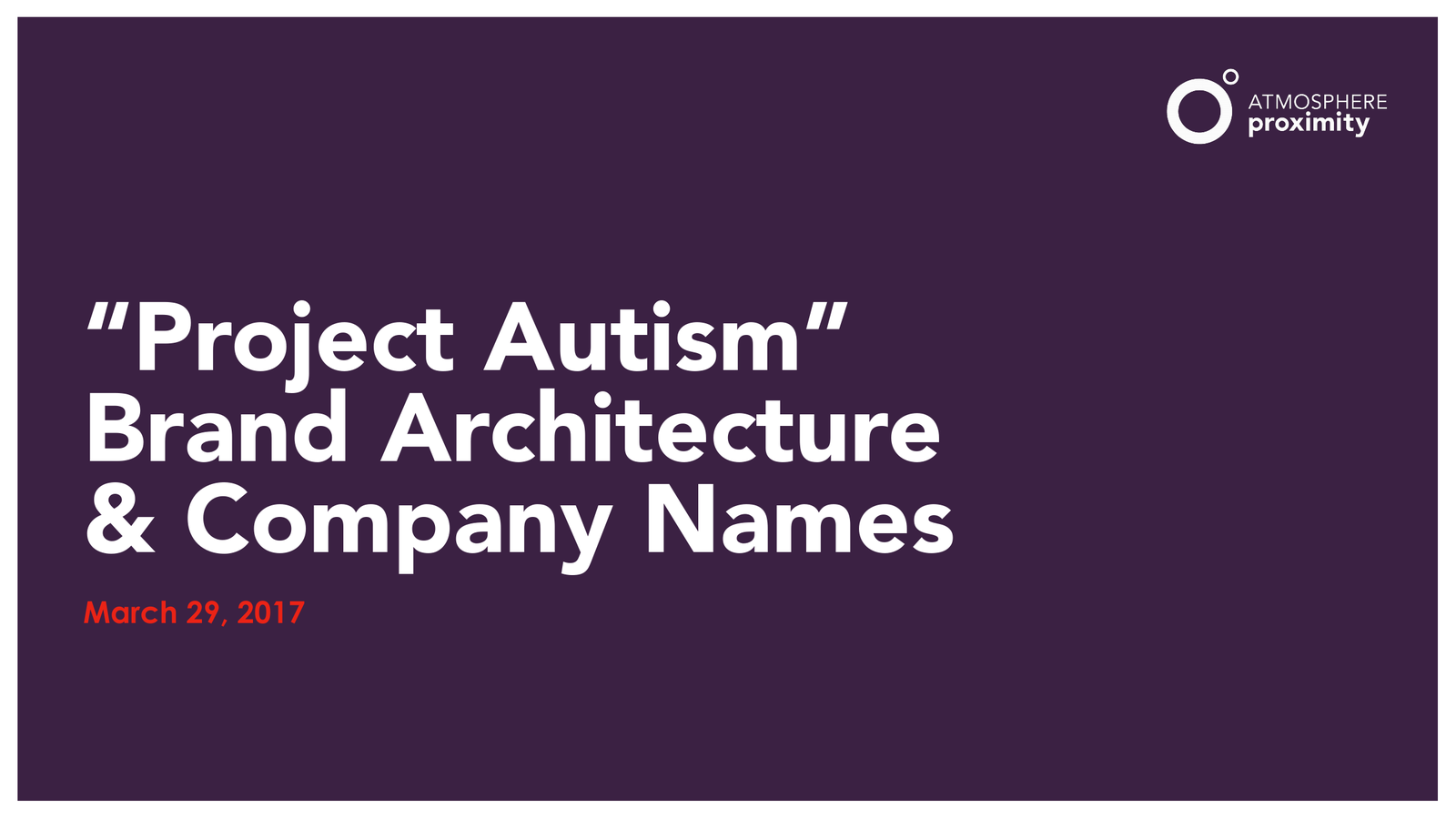
Five candidate company names evaluated. Mission, vision, values, positioning, audience definition. The strategic foundation everything that followed sat on.
Brand identity system
Logo and tagline. Lockup system. Typography and color. Key brand materials: business cards, packaging, product identification.
Brand toolkit
Imagery guidelines. Brand voice document. Letterhead, presentation template, t-shirts, facility signage, press release. The system extended to every public surface.
Microsite + brand book
Microsite IA, wireframes (V0.1 → V1.0 across seven iterations), and a comprehensive brand guidelines document. The full website copy deck shipped Jan 2018.
PWA empathy game + brand video
The empathy-game Progressive Web App and an animated brand video, added through extension SOWs. The PWA became the engagement's centerpiece artifact.
Microsite UX and content strategy
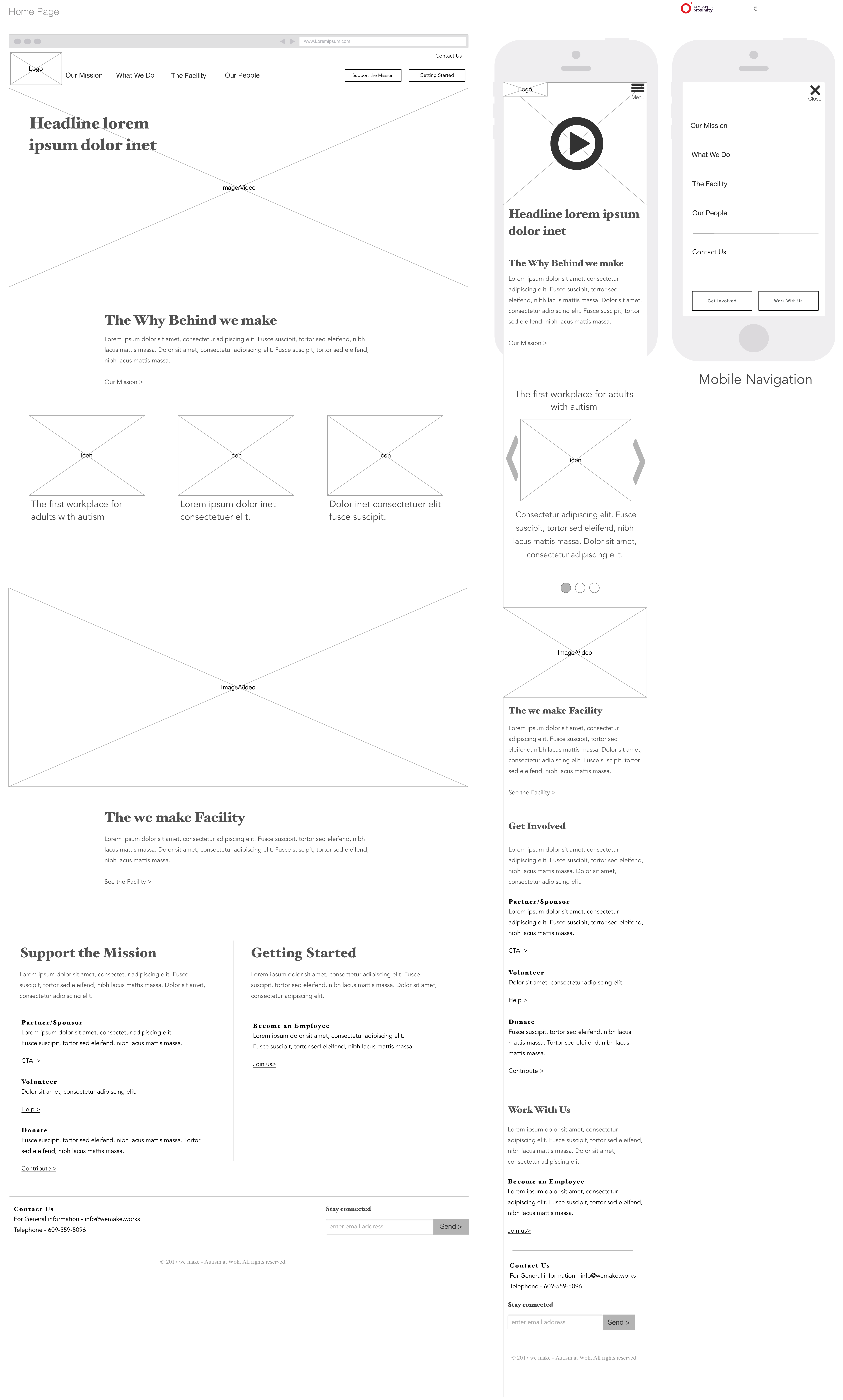
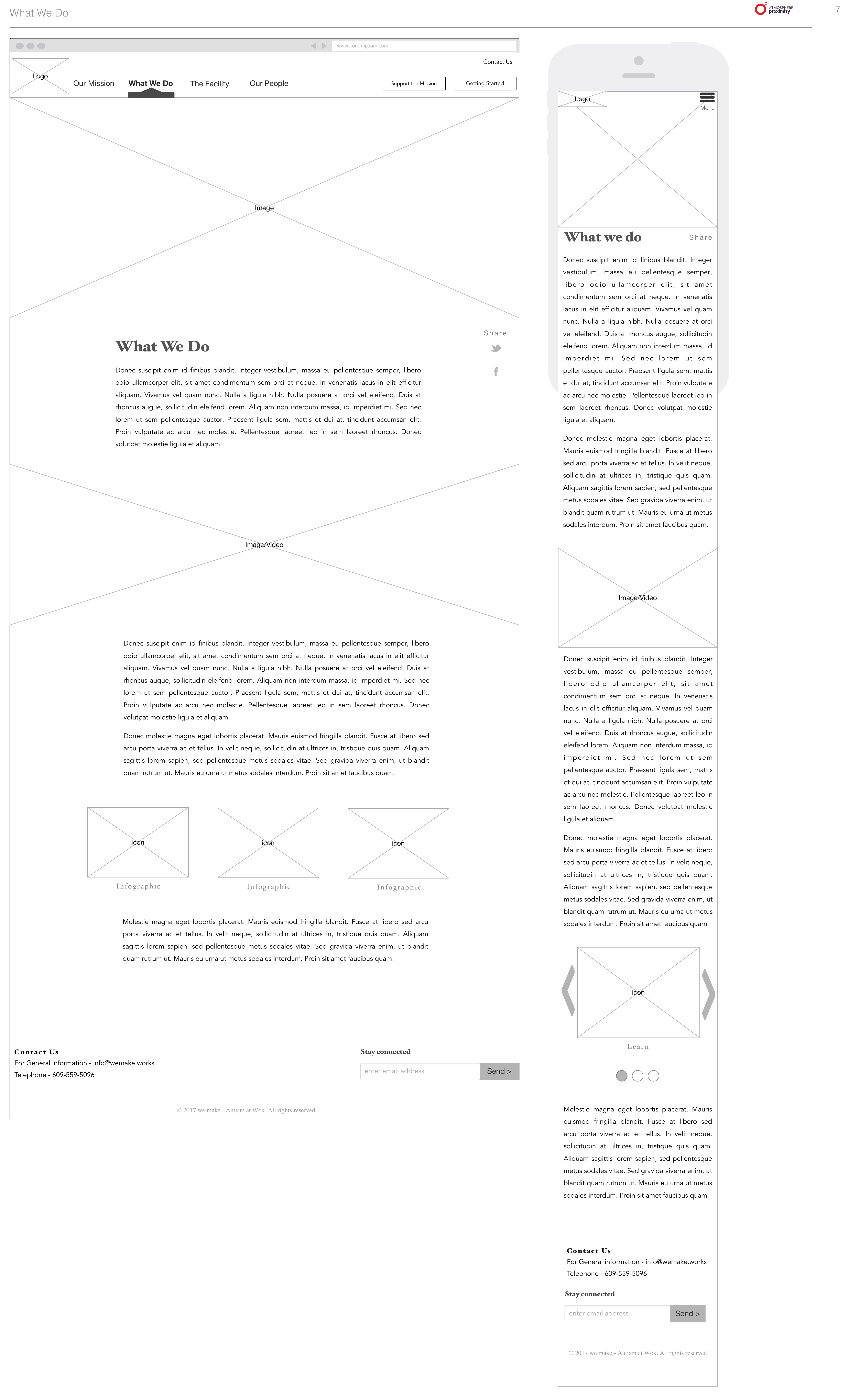
Five primary pages. A four-part homepage story. Seven wireframe iterations. One copy deck Ben led.The microsite was built around five primary pages addressed to the audiences WeMake needed to reach. The IA shipped through seven wireframe iterations (V0.1 → V1.0, with a separate Press wireframe) between October 2017 and final delivery. The full website copy deck shipped January 2018.
Five primary pages
A four-part homepage story
The homepage was structured as a four-part narrative built to land with audiences who arrived with very different starting points (a parent looking for their adult child's next chapter, a hiring manager evaluating a partnership, a donor weighing where to put resources, a curious visitor). The frame held four moves in sequence: introduce the mission, validate the audience's existing awareness, frame the model, signal the scale ambition.
Brand voice across the site
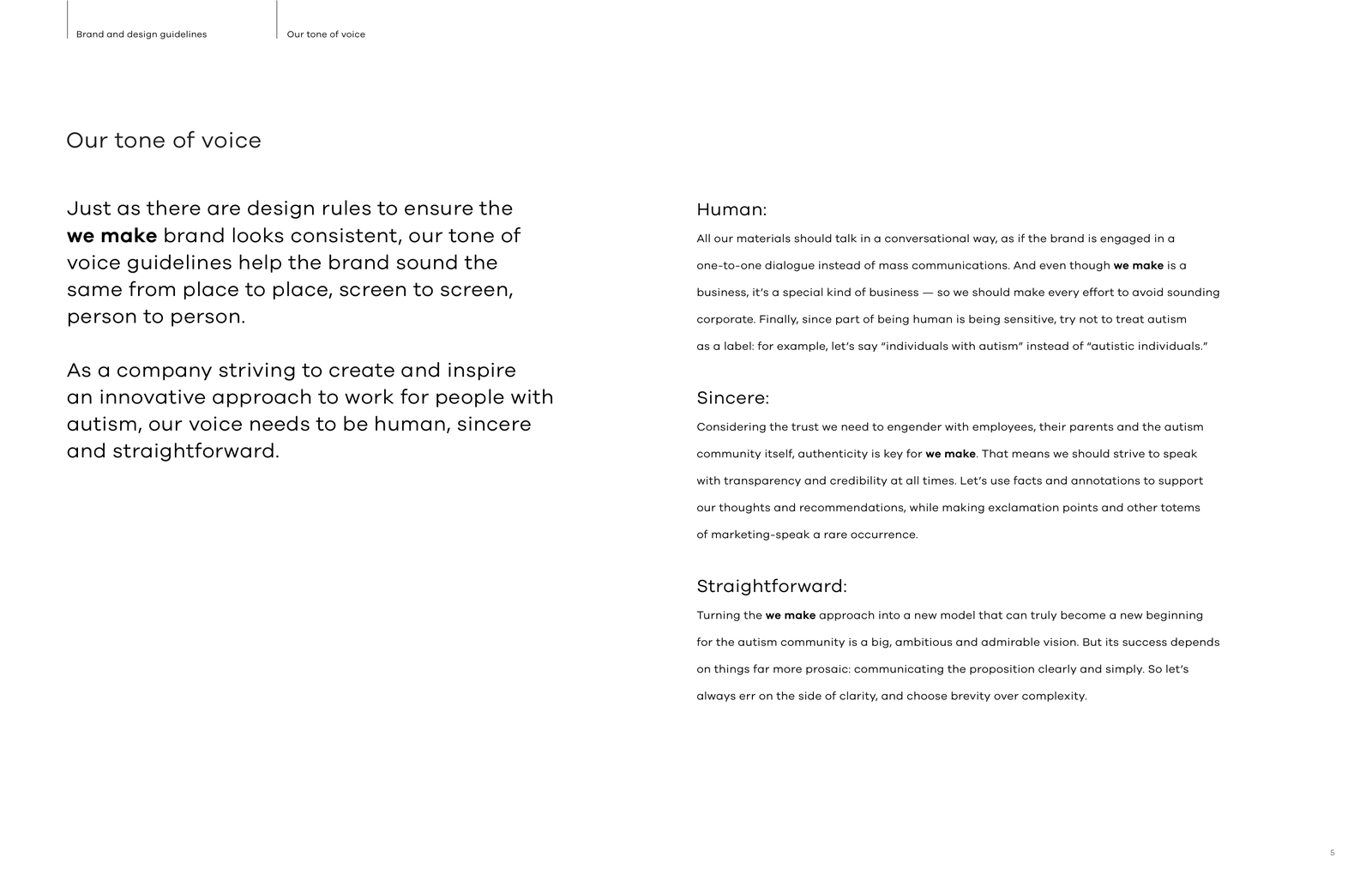
The brand voice document I led on landed on a three-word voice. It carried through every line of copy, every section header, every microsurface across the site:
Look at employees in a different way. Align skill sets with ideal roles. Help people gain control of their employment journey. That's the work, in the voice it shipped in. WeMake website copy · January 2018
The empathy-game mechanic
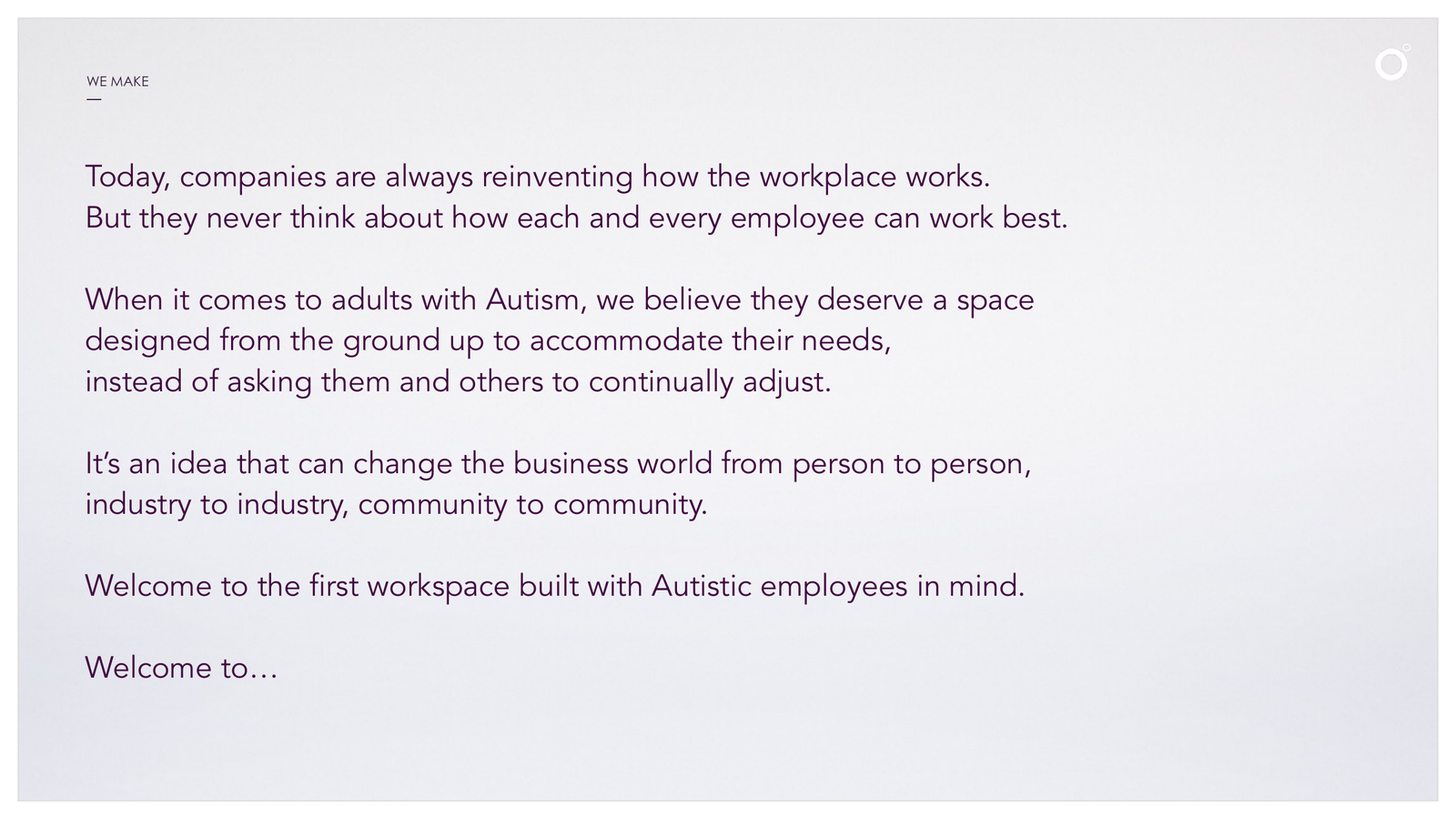
The strategic move at the heart of the engagement's centerpiece artifact. Not awareness. Embodied understanding.A game about autism is information delivery wrapped in interaction. A game whose mechanics simulate sensory sensitivity converts the player's experience into the awareness itself. The player feels the disruption (visual noise, unpredictable element behavior, the sense of trying to focus through interference) and the case for redesigning workplaces around autistic needs becomes self-evident from the inside.
Familiar baseline
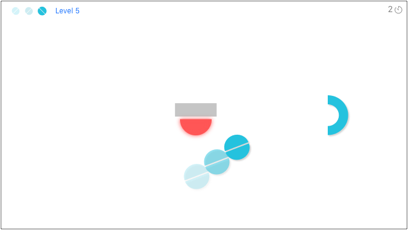
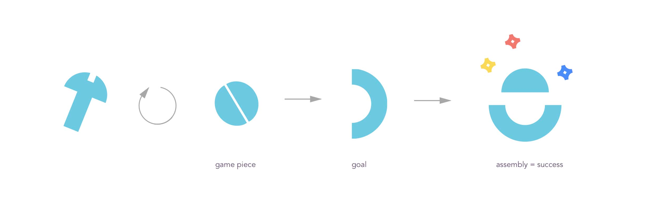
Levels open with a simple, well-understood puzzle pattern: the kind of game players already know how to play without instruction. A nod to games we all played.
Sensory variables introduced
As levels advance, random variables enter gameplay simulating symptoms common to autism spectrum disorder: visual noise, unpredictable element behavior, sensory overload that disrupts focus.
The reframe
The player experiences in five minutes what an autistic employee experiences in a poorly designed workplace every day. Awareness becomes embodied understanding.
Not a game about autism. A game whose difficulty curve simulates sensory sensitivity. Mechanic principle · WeMake PWA · 2017–2018
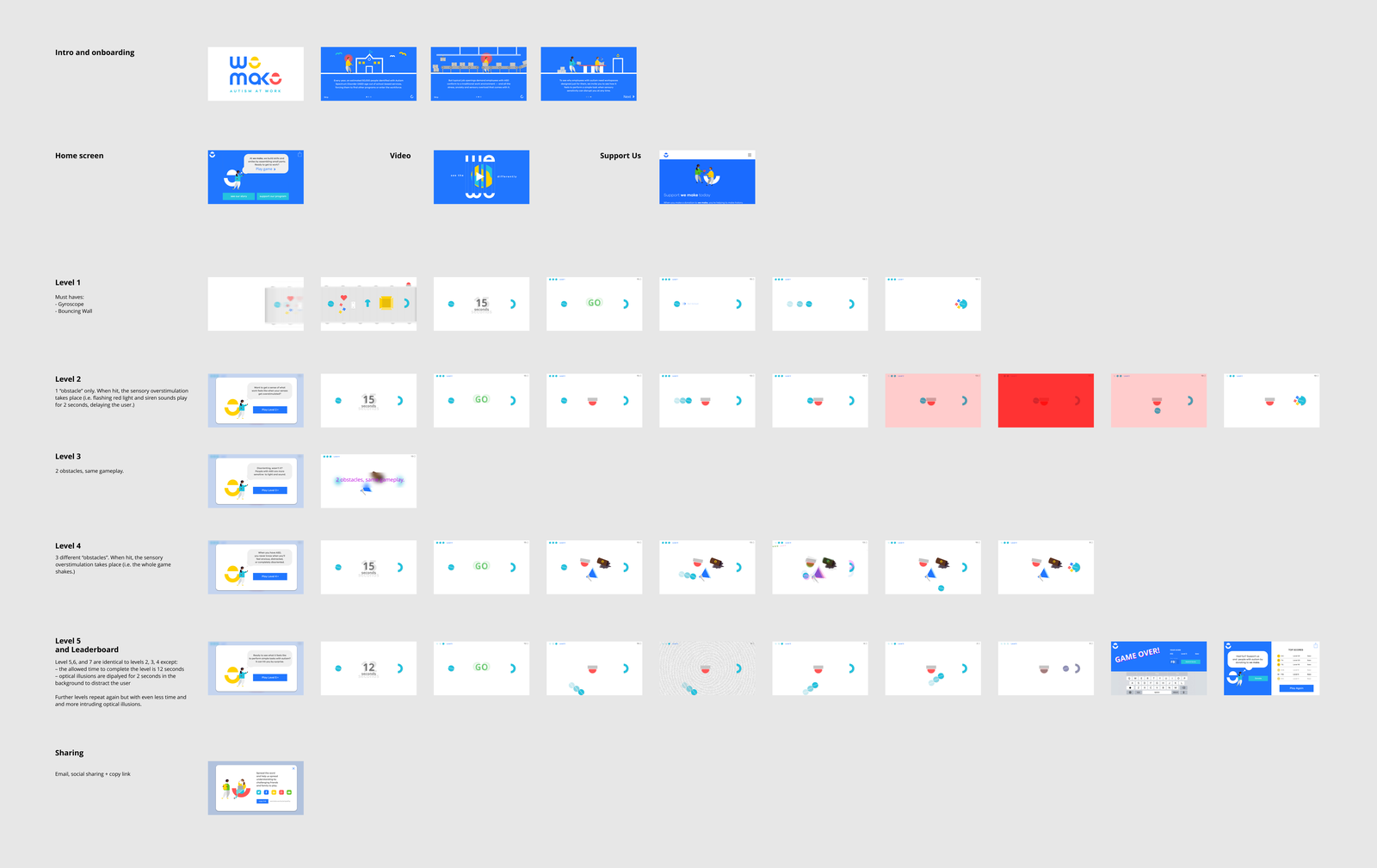
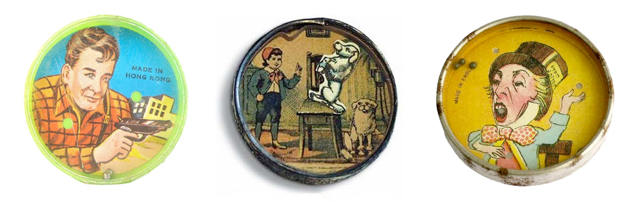
A familiar baseline disrupted by sensory variables. Same underlying gameplay. Two completely different felt experiences.
Why a Progressive Web App
The platform choice was deliberate. Seven properties of a PWA, mapped to the mission.The game shipped as a Progressive Web App rather than a native iOS or Android download. The decision was a deliberate one. For a nonprofit with a public-engagement mission, the PWA format removes most of the production, distribution, and maintenance barriers that would otherwise gate participation.
Progressive
Works for every user regardless of browser. Built on progressive-enhancement principles.
Responsive
Fits any form factor: desktop, mobile, tablet, or whatever comes next.
Connectivity-independent
Service workers enable offline operation and 2G-grade network performance with no UX degradation.
Fresh
The service-worker update process keeps the experience current without store reviews or update prompts.
Installable
Users can add the experience to their home screen without an app-store gate.
Linkable
Shareable via URL. Viral by default. No complex installation.
Maintainable
Single source of truth. No fragmented version landscape across the install base.
Solution · the game design
The game design integrated three principles, each addressed to a different layer of the public-engagement strategy.Simple gameplay
Game elements reflected real-world challenges autistic employees face every day, rendered in mechanics anyone can understand within seconds. No tutorial. No instruction screen. The familiarity is the on-ramp.
Informative
The experience generates awareness for the cause without lecturing. The awareness comes through the gameplay itself, not from an interstitial slide between levels.
Sticky and shareable
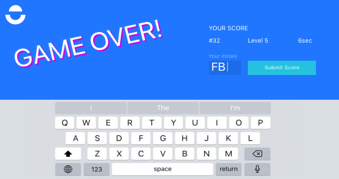
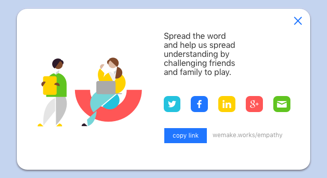
Designed for habit formation and viral sharing. Leaderboards. Shareable game-over states. Score-based progression. The mechanic carries itself further than any post about it would.
Game elements
The gameplay surface mapped real-world challenges autistic employees encounter, rendered as elements players already know how to read. The challenges were embedded in the mechanic, not narrated alongside it.
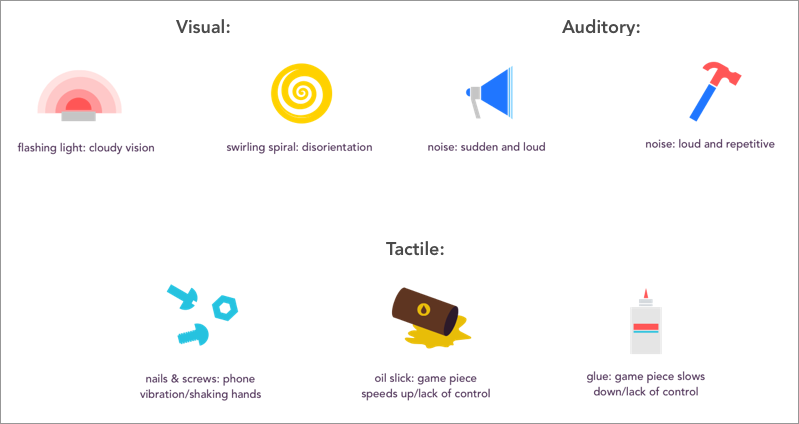
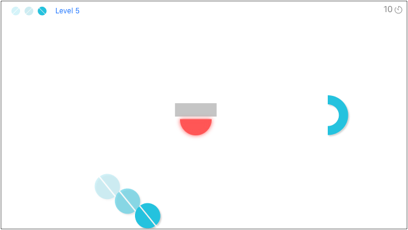
Gameplay screens
Mid-game levels where the sensory-sensitivity variables become felt. The game stays simple to read. The cognitive load is what changes.
Informative · awareness surfaces
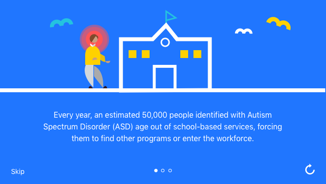
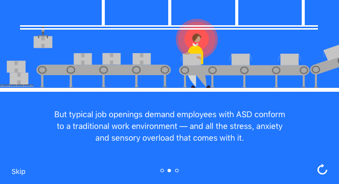
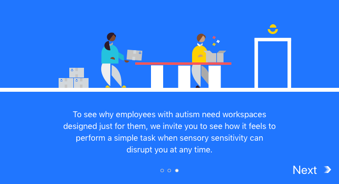
Awareness moments came inside the experience, not bolted on alongside it. The onboarding sequence introduced the experiential framing without instruction overhead. The game then carried the message.
Sticky · habit and share
The game-over surface and the sharing surface were designed to carry the message further than the player would. A game-over state that's shareable is a message that moves on its own.
Outcomes
What the engagement shipped, and what the engagement set up beyond the artifacts.- A full public-engagement stack for a 501(c)(3) going from idea to launch. Brand strategy, brand identity, comprehensive brand book, microsite IA, full website copy, animated brand video, and the empathy-game PWA. Every surface lived inside one coherent voice.
- The empathy game became the engagement's most-shared public artifact. Installable, linkable, and viral by default. The mechanic carried the case further than any post about the mission would.
- One brand model talking to four audiences. Parents of autistic adults, prospective employer-partners, donors, and the autistic community itself, in a single voice. Mission → workplace → game, as one coherent through-line.
- A service-design and digital model that could replicate. The framework the brand and digital work shipped against was designed to scale as the WeMake workplace concept expanded to additional sites and industries.
Additional work
Two further engagements from the agency years. The discipline travels.The page is the procedure. Not the product.
An 18-month responsive-web evolution for Ethicon. UX strategy, IA, content strategy, and a custom information-retrieval framework grounded in cognitive science and library science.
The engagement was the deliverable.
Engagement lead at Foundry 9 on M&T Bank's next-generation mobile banking app. Leading the multi-disciplinary internal team and the M&T client team through a 2-day on-site workshop and a sustained engagement cadence.
Talk to Ben about your work
Awareness campaigns mostly fail because they describe a thing instead of letting you feel it.
The work that lands gets the audience inside the experience, not next to it. If you're building toward a mission that has to be felt to be understood, the mechanic question is the right question. And if the engagement runs from brand through product through public surface, the coherence question matters just as much. The conversation starts here.